Cross Product Vectors Calculator . Substitute the values in the above equation. To find the cross product, enter the x,y, and z values of two vectors into the calculator. Cross Product and Area Visualization GeoGebra from www.geogebra.org Press the button = and you will have a. Select the vectors form of representation; An online cross product calculator helps you to find the cross product of two vectors corresponding to the given coordinates or points of both vectors.
Calculating 95 Confidence Interval In Excel. 95% confidence interval excel elliott jardin 1.95k subscribers 1.6k dislike share 319,684 views sep 1, 2016 in this video i show you how to calculate a 95% confidence interval. You want to compute a 95% confidence interval for the population mean.
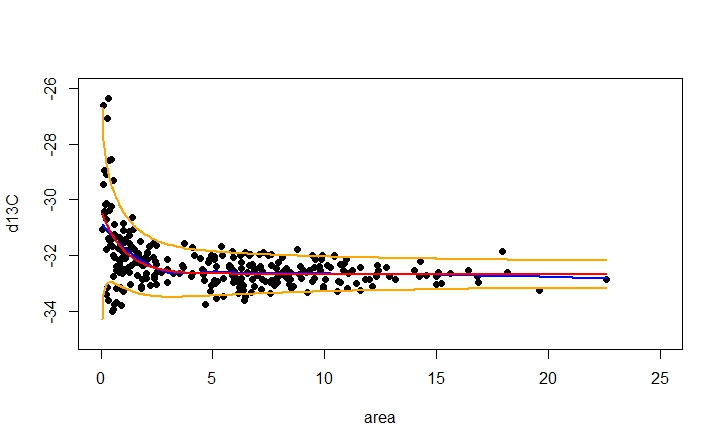
How to plot the confidence interval from boot.ci output of from stats.stackexchange.com
=confidence (d1,d3,d4) with these inputs, you can easily get the confidence interval. You can change it if you wish. A tolerance interval is a range that is likely to contain a specific proportion of a population with a certain level of confidence.
How To Calculate 95 Confidence Interval In Excel 1.
Calculate the confidence value now we need to create a third column and name it confidence. In a cell of your choice, type =confidence (e2, e4, e5), where cell e2 has the. Things to remember here confidence interval in excel is the plus or minus.
Use The Following Steps To Calculate The Confidence Interval Using Both Formats Of The =Confidence() Function In Excel:
Formula to calculate 95 confidence interval. A confidence interval is the range of values that make up the population mean. So the alpha value for us will be.
So, Confidence Interval (Ci) = Mean ± Confidence Value.
How to calculate 95% confidence interval in microsoft excel 2013. To calculate the 95 confidence interval in excel steps: Using confidence formula step 1:
Function =Confidence (Alpha, Standard Deviation, Sample Size) Must Be Used.
We can use the following formula to calculate the. Make the entry of your data set excel sample data to calculate confidence interval open an excel sheet and enter the values of individuals in a. The confidence.t function is used to calculate the confidence interval with a significance of 0.05 (i.e., a confidence level of 95%).
Below We Will Step By Step Analyze.
The confidence interval for the population mean is 105±17.95 or simply (87.05 , 122.95). You want to compute a 95% confidence interval for the population mean. Calculate confidence intervals using descriptive statistics.


Comments
Post a Comment